












Flourish Fountain Hills recognizes that it is an interesting yet challenging responsibility for governments to plan and fund a wide variety of needs, all based upon their ability to prioritize available funds. The three primary local governments described below — in combination — represent the largest landownership and the largest employment base in the Town. And recognize that Town planning and infrastructure improvements may also be affected by county government, state government, and some national government regulation in cooperation with a variety of private providers of miscellaneous utilities.
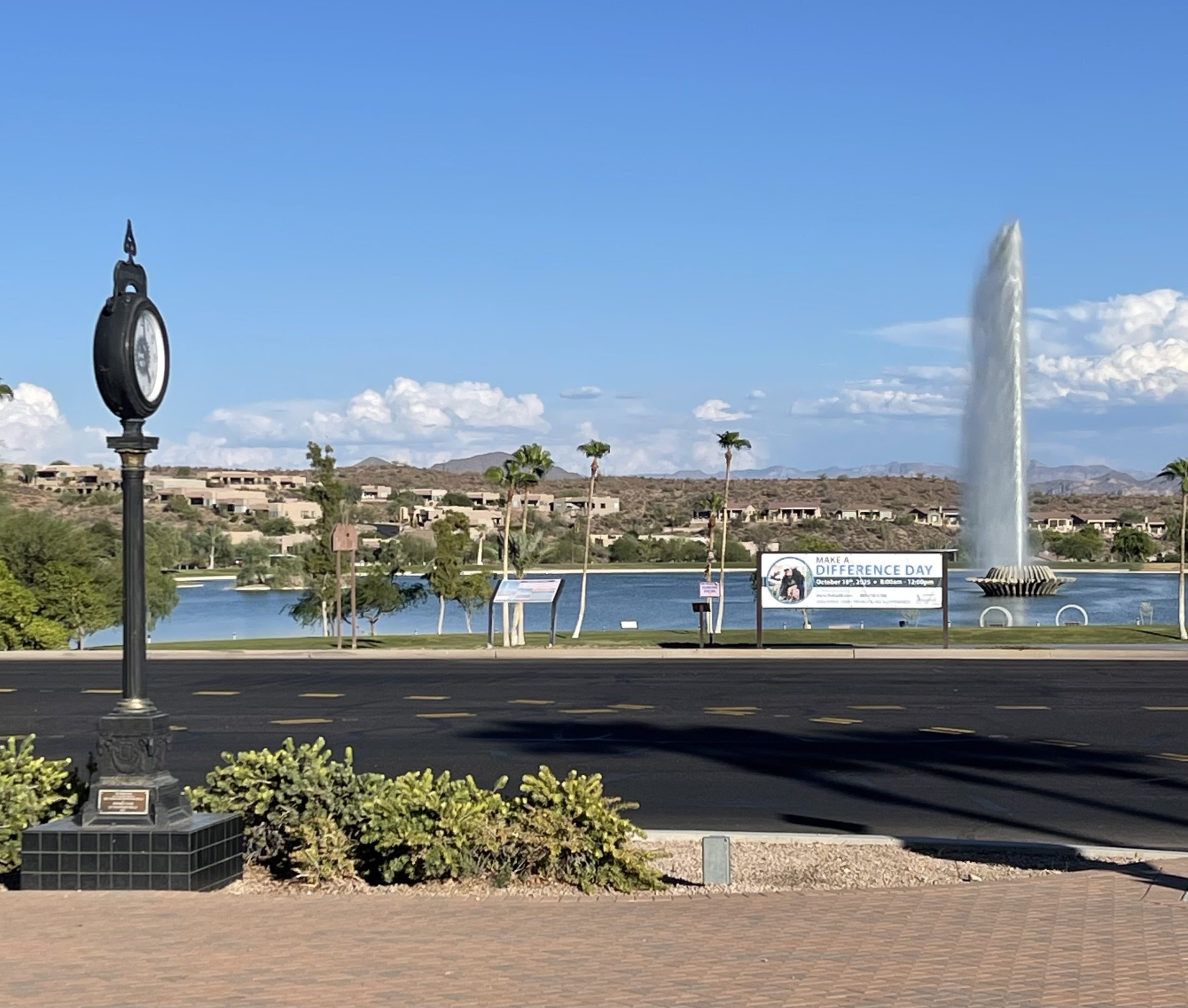
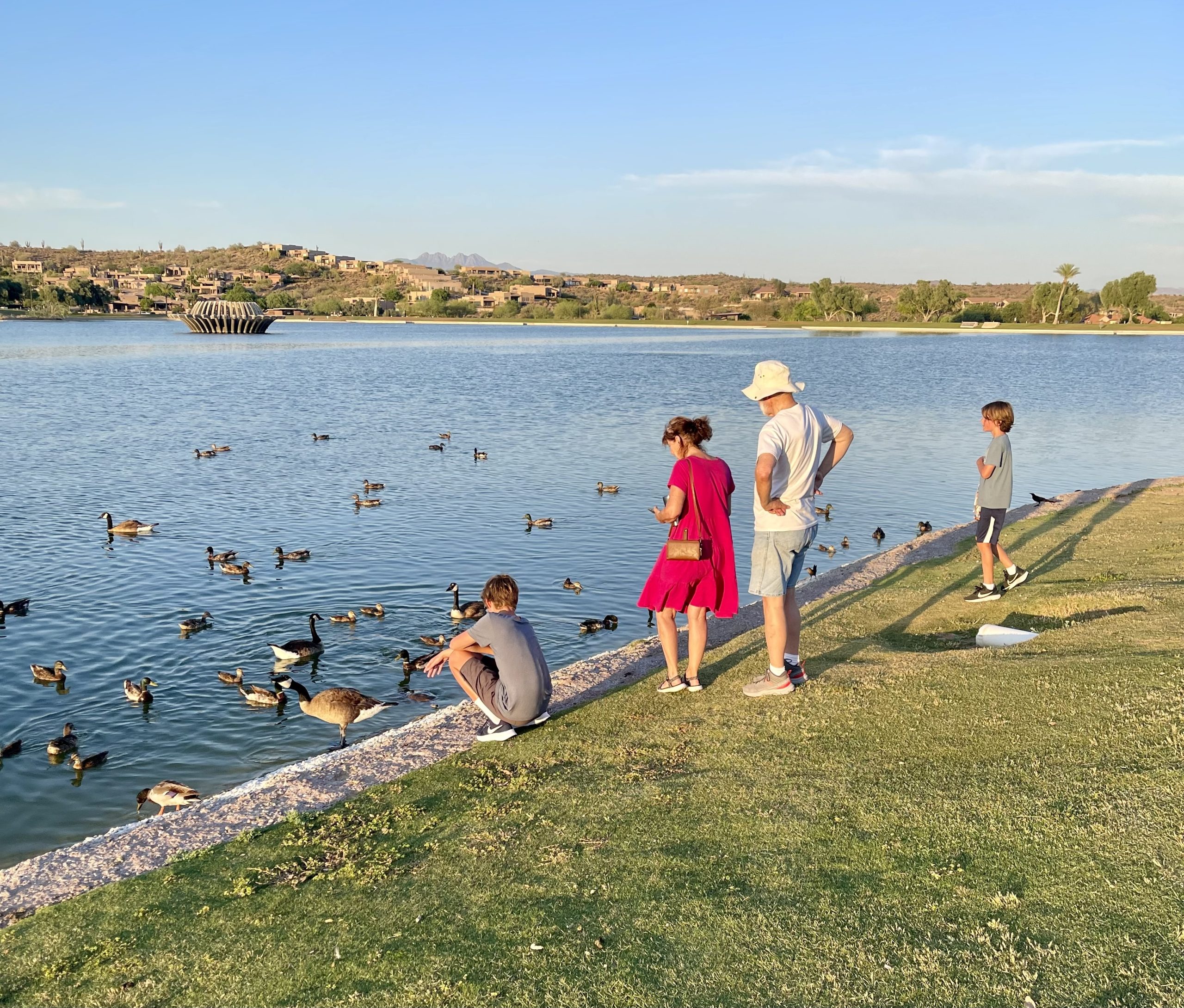
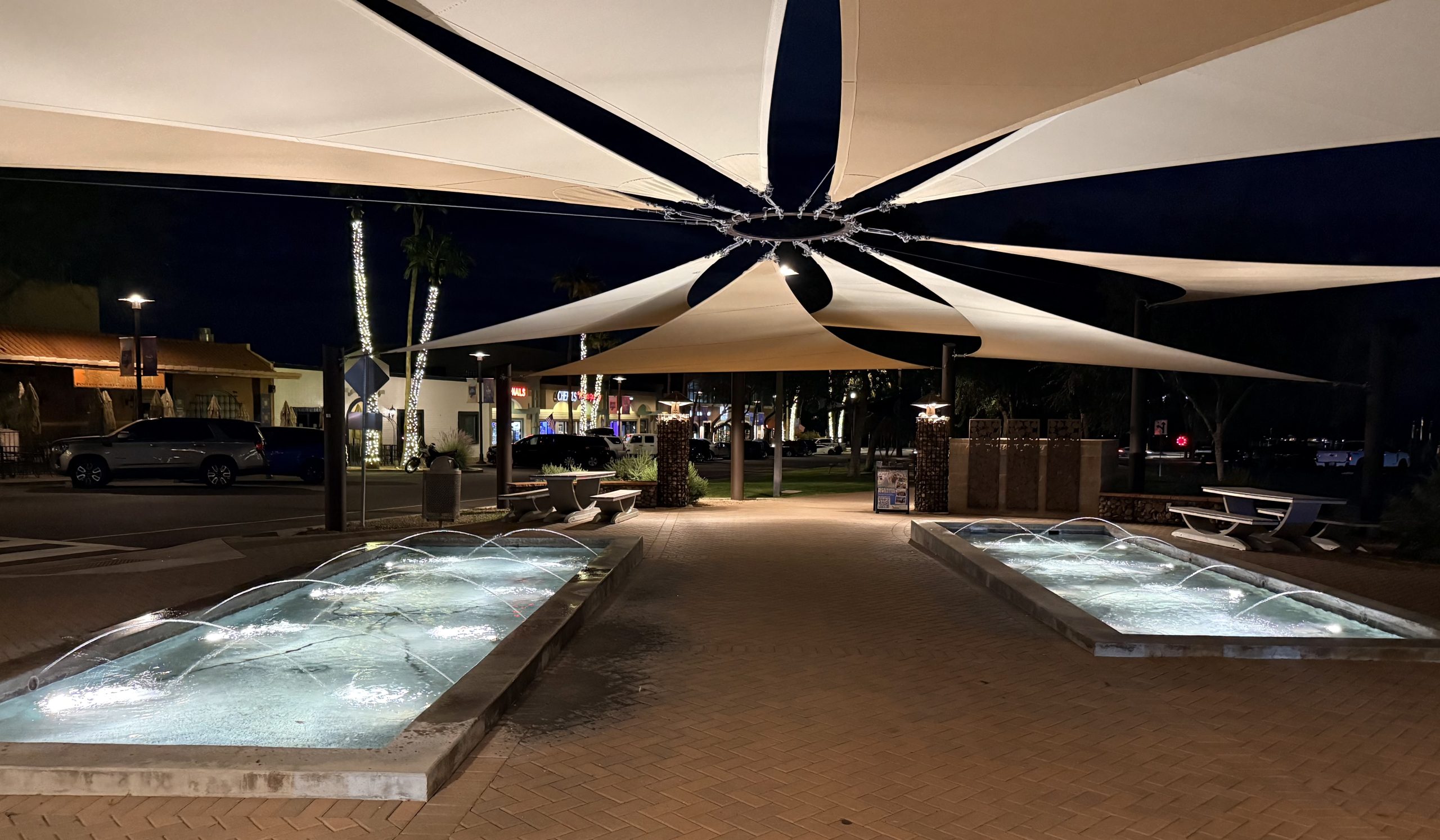
Simply speaking the Town, with a population of about 25,000, is incorporated as a general law municipality by the state, and has the most widespread responsibility, from safety infrastructure to municipal parks to public streets to municipal buildings and rolling stock, and a wide variety of intertwined responsibilities including stormwater management, wash maintenance, environmental needs, and other miscellaneous needs. The Town contracts for municipal police through Maricopa County Sheriff Office and for residential trash. In addition, the Town is responsible for its namesake park and world-famous Fountain, including significant mechanical infrastructure to support it. The Town does not have a landfill, airport, or other infrastructure that could serve other neighboring municipalities. (The Town is bordered by two Native American communities, a county park, a Mountain Preserve, and the City of Scottsdale.)
The School District with a student population of about 1,100, is organized under state law, and is responsible for its building infrastructure, some recreation facilities, rolling stock, and some other ancillary components.
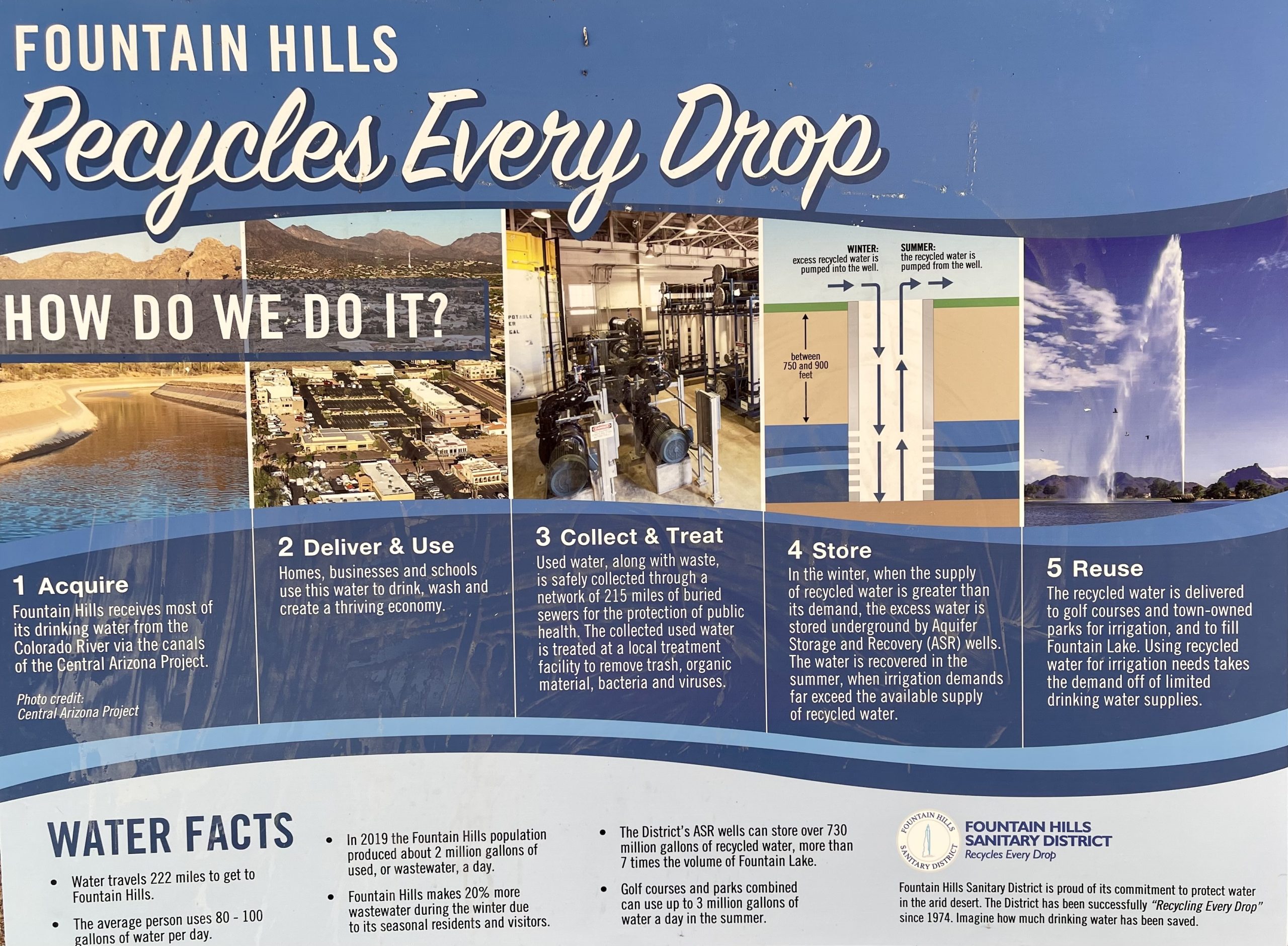
The Sanitary District is organized under County law, and is responsible for the Town’s wastewater facilities, including collection and treatment, and the distribution of much of the reclaimed water it produces.
In addition, the Town has several fee-based providers that may be responsible for significant under- or above-ground infrastructure, including a private water company, EPCOR services, which provides potable water infrastructure for residential, commercial, industrial, and fire/safety through a combination of canal and well water resources, while several other private entities that serve Town residents by providing specialized infrastructure, including electrical services provided primarily by SRP (a pseudo regional government) with some APS services in outlying areas, natural gas infrastructure provided by SW Gas, Cable communications provide by Cox, and wide-variety of wireless services – most all regulated by the Arizona Corporation Commission.
All of the primary infrastructure (Town, School, and Sanitary) is purchased, built, and/or maintained through tax revenues, collected either at the state, regional, or local level, and/or sometimes through the solicitation and award of grants. The amount of money available to accomplish these governmental tasks is often affected outside of each entity’s control, either by regional, state, or national laws, regulations, or ordinance. Each entity must pass a balanced budget prior to the beginning of its fiscal year for revenues and expenditures (all are on a July-June FY). Each is responsible for their identified owned, leased, or rented infrastructure needs including growth, regular and emergency maintenance, and replacement through open public process as determined by state law.